What Are FAST Channels? Free Streaming TV Explained
If you’ve ever opened Tubi, flipped through Pluto TV, or stumbled onto a free movie channel on your Samsung TV without logging in or paying a cent, you’ve already used a FAST channel. You just might not have known what to call it.
FAST stands for Free Ad-Supported Streaming Television. It’s the fastest-growing segment in streaming right now, and it’s quietly reshaping how hundreds of millions of people watch TV.
Not because it’s new or flashy, but because it solves a real problem: streaming has gotten expensive, and people are looking for a way out.
This guide explains everything you need to know: what FAST channels are, how they work, who the biggest players are, how they compare to Netflix and cable, and where the whole thing is heading.
Quick Answer: What Are FAST Channels?
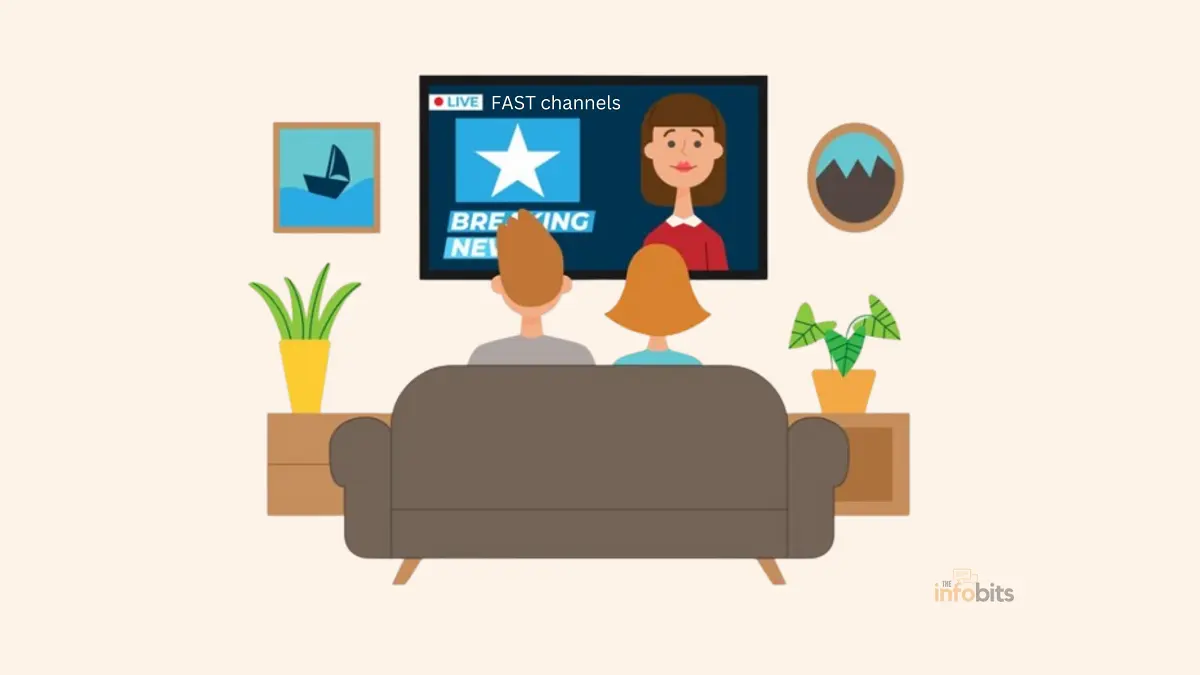
FAST channels are free, internet-delivered TV channels that play a continuous, pre-scheduled stream of content, funded entirely by advertising. Think of them as cable TV, but available over the internet on any device, smart TV, phone, tablet, or laptop, at zero cost. There’s no subscription, no login required, and no credit card. You simply tune in and watch, with ad breaks playing throughout, just like traditional television.
The “FAST” acronym was coined in December 2018 to distinguish this model from paid streaming services. Since then, it has gone from a niche experiment to a mainstream pillar of how people watch television.
How Did FAST Channels Come About?
To understand why FAST exists, it helps to trace how we got here.
When Netflix launched its streaming service in 2007, it seemed like a dream: unlimited TV and movies for a small monthly fee. The idea caught on. By the early 2010s, millions of households were cutting their cable subscriptions and moving to streaming, often called “cord-cutting.”
Then something interesting happened. The streaming market is fragmented. Every major studio launched its own service: Disney+, HBO Max, Peacock, Paramount+, and Apple TV+. Netflix raised prices. Disney+ raised prices.
Every platform raised prices. The average U.S. household now subscribes to nearly six streaming services, and maintaining all of them rivals what they used to pay for cable.
That’s the opening FAST walked through.
Pluto TV, launched in 2014, is widely credited as the first dedicated FAST platform. It started as a small startup offering curated content organized into themed channels, and the concept was simple: replicate the lean-back TV experience over the internet, for free, with ads.
Viacom (now Paramount Global) saw the potential and acquired it in 2019. The rest of the industry took note and followed fast.
Related: Cord Cutting Guide: How to Replace Cable With FAST, Streaming Services, and Live TV Apps
How Do FAST Channels Actually Work?
At the viewer’s end, FAST channels feel exactly like traditional TV. You open the app, pick a channel, and watch whatever is playing. The programming is scheduled; you’re not choosing individual titles from a library. You tune in, just like you would to CNN or ESPN on cable.
Under the hood, the technology stack that makes this possible has a few key components:
Content Scheduling. A platform takes a library of licensed content, movies, TV shows, documentaries, and news clips, and organizes it into themed 24/7 channels. Action movies, true crime, classic sitcoms, and cooking shows each becomes its own “channel” with a set schedule.
Server-Side Ad Insertion (SSAI). Rather than loading ads from your browser like a webpage, FAST channels stitch advertisements directly into the video stream at pre-set ad break points on the server. This makes ad blocking difficult and ensures a consistent viewing experience across all devices.
Programmatic Advertising. FAST platforms connect to ad exchanges, Google Ad Manager, Magnite, and FreeWheel to sell ad inventory automatically. Advertisers bid for placement based on viewer data like location, viewing history, and demographics.
HLS/DASH Delivery. The stream itself reaches your device over standard internet protocols (HLS or MPEG-DASH), just like any other streaming video, delivered through a content delivery network (CDN) for reliable playback anywhere in the world.
The result is a seamless, cable-like experience that costs you nothing as a viewer, because advertisers are footing the bill.
FAST vs. Cable vs. Streaming: How Do They Compare?
It can get confusing quickly when comparing all the different ways to watch TV today. Here’s a straightforward breakdown:
| Cable/Satellite | SVOD (Netflix, Disney+) | FAST Channels | |
|---|---|---|---|
| Cost to the viewer | $80–$150/month | $8–$22/month per service | Free |
| Ads | Yes | Varies (some plans) | Yes |
| Content style | Linear scheduled | On-demand | Linear scheduled |
| Requires subscription | Yes | Yes | No |
| Internet required | No | Yes | Yes |
| Device | TV with set-top box | Any connected device | Any connected device |
| Examples | Comcast, DirecTV | Netflix, Disney+, Max | Tubi, Pluto TV, Roku Channel |
The key distinction between FAST and AVOD (Ad-Supported Video On Demand) is the viewing experience.
AVOD lets you browse and choose individual titles whenever you want; it’s on-demand. FAST plays a scheduled stream like a traditional TV channel. You tune in and watch what’s on. Many platforms now offer both alongside each other, blurring the line.
Related: AVOD vs FAST: What’s the Difference and Which Is Right for You?
Why Are People Flocking to FAST Channels?
The numbers tell a compelling story. According to eMarketer, FAST users in the US will reach 131.4 million in 2026, representing 54% of all connected TV users.
FAST viewing hours surged 43% year-over-year through August 2025, reaching 1.8 billion hours, per Comscore. Those three leading platforms — Pluto TV, The Roku Channel, and Tubi — combined accounted for 5.7% of all US TV viewing in May 2025, which is larger than any individual broadcast network’s share during the same period.
Several forces are driving this growth:
Subscription fatigue is real. The cost of streaming subscriptions jumped 20% by the end of 2025, according to the Bureau of Labor Statistics. Most major platforms, Netflix, Disney+, and Max, have raised prices multiple times in recent years.
According to Deloitte, 41% of consumers no longer feel SVOD content is worth the price tag, up five percentage points from the previous year, and 47% say they pay too much for the services they currently use.
The lean-back experience is underrated. A Nielsen study found that 70% of viewers spend over 10 minutes deciding what to watch, and 12% take more than 20 minutes. FAST eliminates that friction. You press play, and something is already on, just like flipping on the TV used to feel.
Smart TVs have made FAST the default. Samsung TV Plus, LG Channels, Vizio WatchFree+, and The Roku Channel come pre-installed on hundreds of millions of smart TVs worldwide.
The moment someone turns on a new television without a cable box or streaming app open, a FAST channel is often what appears. That built-in distribution is something no SVOD service can replicate.
Content libraries have improved dramatically. Early FAST platforms were often repositories for obscure content. Today, according to Nielsen/Gracenote, more than 178,000 unique programs are available across FAST channels, and over 70% of that programming has been produced since 2010.
Viewers aren’t just watching old reruns; they’re finding popular titles like Suits, NCIS, and Grey’s Anatomy that once lived behind subscription paywalls.
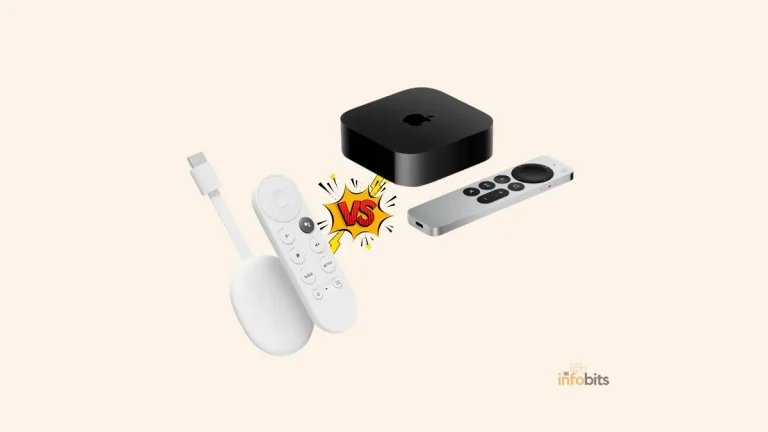
Related: Apple TV vs Roku: A Comprehensive Comparison
The Major FAST Platforms You Should Know
The FAST landscape includes platform-agnostic apps that work on any device, and platform-exclusive services tied to specific hardware manufacturers.
Tubi (owned by Fox Corporation) is the largest on-demand-focused FAST service, reaching 97 million monthly active users by early 2026.
It focuses heavily on movies and TV shows, with over 200,000 titles available, the biggest library in the FAST space. Tubi’s simulcast of Super Bowl LIX drew 13.6 million viewers, over 10% of the total audience.
The Roku Channel reaches approximately 145 million households and holds the largest FAST platform share by US viewership, at 97.3 million viewers.
Roku’s integration into its own hardware gives it a built-in distribution advantage that competitors struggle to match. It also runs live MLB games, Formula 1 races, and original sports programming.
Pluto TV (owned by Paramount Global) reaches 80 million monthly users with 300–400 curated linear channels, making it one of the broadest FAST services available. It covers news, entertainment, classic TV, movies, and specialty content.
Samsung TV Plus comes pre-installed on Samsung smart TVs and has partnered with Amazon’s Interactive Video Ad technology to enhance ad targeting capabilities. Over 140 channels are available in India alone, making it a significant global player.
Xumo Play (owned by Comcast and Charter) offers over 350 channels and caters to more than 60 million monthly users.
LG Channels and Vizio WatchFree+ serve as the FAST layers for their respective smart TV ecosystems, giving device manufacturers a way to monetize viewership from day one.
Plex, Crackle, and DistroTV are notable platform-agnostic options that work across devices and operating systems without being tied to a specific hardware manufacturer.
For the best FAST channel experience on your TV, a dedicated streaming device like the Roku Streaming Stick 4K (available on Amazon) gives you access to The Roku Channel, Tubi, Pluto TV, and dozens of other FAST services in one place, with no monthly fees for the device itself.
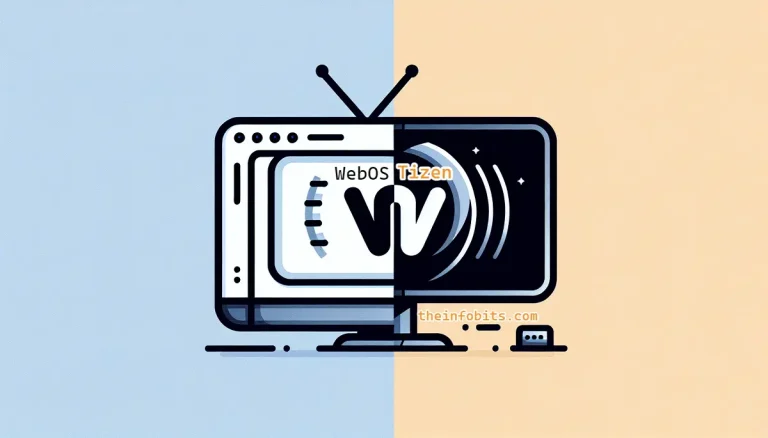
Related: WebOS vs Tizen: Which One Is Right for Your TV?
What Kind of Content Do FAST Channels Offer?
FAST channels have evolved far beyond their reputation as a graveyard for old reruns. The content landscape in 2026 is diverse and actively growing.
Movies and Classic TV remain the backbone, with 71% of FAST viewers watching movies and 65% watching classic TV series, according to Whip Media. These are the genres that made FAST’s initial reputation.
News has seen massive growth. News programming on FAST increased 40.6% since January 2025, according to Gracenote. Local news in particular has found a new home on FAST, with an average of 61,000 viewers tuning into local stations via OTT in August 2025, a 69% year-over-year increase.
Sports is the most exciting growth area. The number of sports FAST channels more than doubled year-over-year, with 220+ dedicated sports channels now available, per Gracenote. FAST platforms grew 30% in sports shows in Q1 2026 alone.
Live sports, once the last bastion of cable, are slowly making their way to free streaming.
Reality TV has exploded. Between July 2024 and February 2025, the number of reality FAST channels grew by 626%, from just 19 to 138 channels in under a year.
International Content is gaining traction. Korean dramas, Japanese anime, and Southeast Asian series have seen major growth on FAST platforms, driven by viewers across North America, Europe, and the Middle East discovering these genres through free access.
Niche and Special Interest channels are a FAST superpower. Because the cost of launching a FAST channel is relatively low, content owners with specific libraries- classic horror, cooking shows, fitness, travel, and vintage cartoons can build dedicated channels that cable would never allocate a slot for.
Related: What is an OTT TV Box? A Comprehensive Overview
The Business Model: How FAST Channels Make Money
For viewers, FAST is free. For everyone else in the chain, there’s real money involved.
FAST channels generate revenue entirely through advertising, using a model called programmatic ad insertion. When your stream reaches an ad break, the platform’s ad server runs a real-time auction among advertisers who want to reach a viewer with your profile.
The winning bid’s ad plays, the money flows back to the platform, and a portion goes to the content owner.
The CPM (cost per thousand ad impressions) on FAST typically ranges from $10 to $25, with premium content genres like sports and news commanding higher rates.
A well-performing FAST channel with 100,000 monthly active viewers at a $15 CPM can generate $45,000–$90,000 per month in ad revenue.
What makes FAST advertising attractive to brands:
Engaged, receptive viewers. FAST audiences chose a free, ad-supported service. They understand and accept that ads are part of the deal. Ad completion rates on FAST channels typically exceed 90%, and viewers watch the whole ad rather than skipping it.
Precision targeting. Unlike traditional TV, FAST platforms serve ads based on viewer data, demographics, location, content preferences, and even emotional context.
Tubi’s partnership with Viant, for example, tags content by tone (hopeful, suspenseful, tense) to enable hypercontextualized ad placement.
Measurable results. CTV advertising through FAST allows advertisers to track impressions, completion rates, and even attribution in ways that traditional TV advertising never could.
Scale. US CTV ad spending is projected to hit $30 billion in 2026, up from $18.9 billion in 2025. FAST captures a growing share of that budget as advertisers follow audiences away from traditional broadcast.
Challenges FAST Channels Are Still Navigating
FAST isn’t without its friction points. Understanding the challenges gives a realistic picture of where the industry still needs to mature.
Channel Discovery is Broken. With over 1,943 FAST channels available across major platforms as of May 2024, finding something worth watching has become genuinely difficult.
Most platforms rely on basic genre browsing or algorithmic recommendations, and the viewer experience of choosing between hundreds of channels is not meaningfully better than the choice paralysis that drove people to FAST in the first place.
This is the industry’s most pressing UX problem.
Metadata Quality is Lagging. Missing episode descriptions, wrong thumbnails, and incomplete content tagging make it harder for both viewers to find content and advertisers to target effectively. Poor metadata directly reduces ad revenue and viewing time.
Ad Frequency Can Frustrate Viewers. The lean-back experience FAST promises can be undermined by too many ads, too close together, or too repetitive. Platforms face a constant balancing act between maximizing ad revenue and maintaining a tolerable viewing experience. This is especially acute for long-form content.
Content Rights Are Expensive and Complex. Acquiring streaming rights to popular programming is costly, and competition from well-funded SVOD services drives up prices. Content owners must navigate different rights windows and regional restrictions, which is why some popular titles are available in certain countries but not others.
Advertiser Adoption Has Lagged Audience Growth. Despite surging viewership, advertiser investment in FAST hasn’t kept pace. Measurement inconsistencies across platforms, different ways of counting impressions, viewability, and attribution make media buyers cautious. Standardization of metrics is an ongoing industry challenge.
Market Saturation at the Platform Level. With hundreds of FAST services competing for a viewer’s attention, individual platforms find it increasingly difficult to differentiate. The race for exclusive content rights, live sports, and original programming is becoming expensive, and the economics of an entirely free, ad-supported model put limits on how much can be spent.
Related: Ultimate Guide to PVOD Streaming: Everything You Need to Know
FAST Channels by the Numbers: Key Statistics for 2026
- 1,870+ active FAST channels globally across 21 countries, per Nielsen/Gracenote (mid-2025)
- 131.4 million projected US FAST viewers in 2026, representing 54% of all CTV users (eMarketer)
- 43% surge in viewing hours year-over-year through August 2025, reaching 1.8 billion hours (Comscore)
- $12–15 billion in global FAST market revenue in 2026, growing at 20%+ CAGR
- 5.7% of all US TV viewing attributed to Pluto TV, Roku Channel, and Tubi combined in May 2025 (Gracenote); larger than any single broadcast network
- 178,000+ unique programs available across FAST channels (Nielsen/Gracenote, March 2025)
- 70%+ of FAST programming produced since 2010 ; not just old back-catalog content
- 220+ sports channels on FAST, more than doubling year-over-year (Gracenote, 2025)
- 64% of US homes watch FAST content
- Global FAST market projected to reach $18.8 billion–$31.8 billion by 2030 (various forecasts)
The Future of FAST Channels: What’s Coming
FAST has moved from a niche disruptor to a structural pillar of the streaming industry. The next phase of growth is being shaped by several clear trends.
Sports Rights Are the New Battleground. Live sports are the last major content category keeping cable subscribers from cutting the cord entirely. FAST platforms know this. The Roku Channel already broadcasts live MLB games and Formula 1 races.
More live sports rights will flow to free platforms as broadcasters and leagues experiment with ad-supported models to maximize reach. This doesn’t mean premium sports immediately become free. But expect more live events to appear on FAST over the next three to five years.
AI Is Transforming Content Operations. Artificial intelligence is being used for real-time dubbing (enabling FAST channels to cost-effectively reach international audiences in multiple languages), automated content scheduling, predictive programming (determining which shows will perform best before investing in licensing), and improved metadata enrichment that makes discovery better and ad targeting more precise.
Global Expansion Is Accelerating. FAST has largely been a US phenomenon, but that’s changing. India’s CTV user base has grown 87% in recent years, with 50 million CTV households expected to reach 60 million by year-end 2025.
Europe saw major expansion in early 2026, with streaming apps outstripping traditional broadcast for the first time in the UK. Latin America is growing rapidly, driven by mobile-first viewers and local sports content.
FAST platforms are investing in regional content strategies — not just translating US libraries, but commissioning locally relevant programming.
FAST and SVOD Are Converging. The line between free and paid streaming is increasingly blurry. Netflix, Disney+, and Max all now offer ad-supported tiers. Meanwhile, FAST platforms are producing original content and pursuing live sports rights that were once exclusively SVOD territory.
By 2028, the model may look less like “free vs. paid” and more like a spectrum of access levels, all built on ad-supported foundations, with premium options layered on top.
CTV Will Overtake Traditional TV Ad Spending by 2028. According to industry forecasts, CTV advertising, of which FAST is a major component, is expected to surpass traditional TV for the first time by 2028.
FAST platforms will be a primary beneficiary of this shift, as advertisers follow audiences to where they are actually watching.
Original Content Is Arriving on FAST. To differentiate and build loyal audiences, platforms are beginning to invest in exclusive programming.
This mirrors the early SVOD playbook, and while FAST originals can’t match Netflix’s budget, the strategy of creating content viewers can’t find elsewhere has proven effective at building habitual viewing.
Should You Be Watching FAST Channels?
If you’re a viewer looking for cost-effective entertainment, FAST channels are an obvious choice, especially if you’re already paying for internet service and own a smart TV.
The content quality has improved substantially, sports coverage is growing, and the major platforms are available on virtually every device.
The main tradeoff is ads. FAST channels carry more advertising than ad-supported streaming tiers on SVOD services, and the ad experience can vary significantly between platforms.
If you find the ad load intrusive, the lean-back experience may feel more like broadcast TV than you expected.
The practical approach most households are landing on: keep one or two SVOD subscriptions for must-watch originals, use FAST for background viewing, news, sports highlights, and nostalgia TV, and swap subscriptions in and out depending on what’s airing.
This “streaming stack” approach, mixing free FAST with selective paid services, is becoming the dominant TV consumption model for US households.
If you’re building a home streaming setup, a Fire TV Stick 4K Max (available on Amazon) gives you native access to Tubi, Pluto TV, IMDb TV (Amazon Freevee), and other FAST services alongside Prime Video, all in one device.
Conclusion
FAST channels are not a passing trend. They’re a structural response to a genuine market problem: content has fragmented, streaming subscriptions have gotten expensive, and viewers are looking for a way to watch good TV without another monthly bill.
The numbers back this up. Over 130 million Americans will watch FAST content in 2026. The combined viewership of the top three FAST platforms already outranks any individual broadcast network. Sports are coming. International content is coming. Original programming is coming.
What FAST channels offer- the lean-back simplicity of traditional TV, free to access, available on any device- is something that resonates deeply with how a lot of people actually want to watch television.
Not every viewing session needs to be a deliberate choice from a curated library. Sometimes you just want to turn on the TV and watch whatever’s on.
FAST has figured out how to make that work in the streaming era. That’s why it’s growing so fast.
Frequently Asked Questions
What does FAST stand for in streaming?
FAST stands for Free Ad-Supported Streaming Television. It refers to streaming services that deliver TV-style content at no cost to viewers, funded entirely through advertising, similar to how traditional broadcast TV works.
What are FAST channels?
FAST channels are free, internet-delivered TV channels that play a continuous, pre-scheduled stream of content with ads built in. Think of them as cable channels that live inside a smart TV or streaming app; you tune in and watch what’s playing, without paying a subscription fee.
What is the difference between FAST and AVOD?
Both are free and ad-supported, but they work differently. FAST channels are linear. They follow a set schedule, and you watch whatever is currently airing, like traditional TV. AVOD (Ad-Supported Video On Demand) lets you browse and choose individual titles to watch whenever you want. Tubi and Pluto TV offer both models side by side.
What is the difference between FAST channels and Netflix?
Netflix is an SVOD (Subscription Video On Demand) service. Here, you pay a monthly fee and choose what you watch from a library of content. FAST channels are completely free, supported by ads, and follow a linear schedule you can’t control. Netflix also produces significant original content; FAST platforms mostly license existing content.
Is FAST TV really free?
Yes, FAST channels are completely free to viewers. You don’t need to create an account or enter a credit card on most platforms. The service is funded by advertisers who pay to reach viewers during ad breaks.
What are the best FAST channel platforms?
The biggest FAST platforms in the US as of 2026 are The Roku Channel (97.3 million US viewers), Tubi (92.5 million viewers), Pluto TV (68.6 million viewers), Samsung TV Plus, Xumo Play, LG Channels, Vizio WatchFree+, and Plex.
Do you need a smart TV to watch FAST channels?
No. While FAST channels come pre-installed on many smart TVs, they’re also available through streaming devices like Roku, Amazon Fire TV, and Apple TV, as well as on phones, tablets, and computers through apps or web browsers.
Why do FAST channels have ads?
FAST channels are free to viewers because advertisers pay to reach the audience during ad breaks. It’s the same model as traditional broadcast TV. The content is the product, and your attention is what’s being sold to advertisers. Without ads, the service would need to charge a subscription fee.
How many FAST channels are there?
As of mid-2025, nearly 1,870 active FAST channels operated globally across 21 countries, according to Nielsen/Gracenote. In the US alone, more than 1,300 FAST channels are available. The number grew 14% just from Q1 to Q3 2025 and has increased 76% since 2023.
What kind of content is on FAST channels?
FAST channels offer a wide range of content, including movies, classic TV series, news, sports, reality TV, documentaries, cooking, travel, and international programming (especially Korean dramas and Japanese anime). More than 70% of FAST content has been produced since 2010, so it’s not just decades-old reruns.
Is Tubi a FAST channel?
Tubi is primarily an AVOD (Ad-Supported Video On Demand) service, meaning it focuses on on-demand viewing. However, it also offers linear FAST-style channels organized by genre. Tubi is owned by Fox Corporation and reaches over 92 million monthly active US viewers.
Is Pluto TV a FAST channel?
Yes. Pluto TV, owned by Paramount Global, is one of the original FAST platforms and one of the largest in the world, offering 300–400 curated linear channels alongside on-demand content. It’s available on most smart TVs, streaming devices, phones, and tablets.
Are FAST channels available outside the United States?
Yes, though the US remains the largest FAST market. FAST channels are expanding globally, including in the UK, Germany, France, Canada, Australia, Latin America, India, and other markets. Some platforms like Samsung TV Plus and Pluto TV operate in dozens of countries.
How do FAST channels make money?
FAST channels earn revenue through advertising. They use Server-Side Ad Insertion (SSAI) to stitch ads into the stream at set break points, then sell those ad slots programmatically to advertisers who bid in real time based on viewer data. Content owners typically receive a share of ad revenue from the platform.
What is SSAI in the context of FAST channels?
SSAI stands for Server-Side Ad Insertion. It’s the technology that stitches ads directly into the video stream on the server before it reaches your device, rather than loading them in your browser. This makes FAST ads harder to block and ensures a consistent experience across all devices.
Will FAST channels ever have live sports?
They already do. FAST platforms like The Roku Channel already broadcast live MLB games and Formula 1 races. Sports is one of the fastest-growing content categories on FAST, with dedicated sports channel numbers more than doubling in 2025 alone. Expect more live sports rights to move to free platforms over the coming years.
What is causing the growth of FAST channels?
Several factors are driving FAST growth: subscription fatigue from rising streaming prices, built-in distribution on smart TVs and CTV devices, an expanding content library with recent titles and live sports, improved ad targeting technology attracting advertisers, and cord-cutting as millions of households cancel traditional cable.
What is the future of FAST channels?
FAST is expected to grow significantly through the end of the decade. The global market is projected to reach $18–32 billion by 2030. Key trends include expansion of live sports rights, AI-powered content scheduling and localization, global market expansion (especially India and Latin America), and a convergence with SVOD as paid platforms add ad-supported tiers and FAST platforms produce original content.
Is FAST the same as free-to-air TV?
They share similarities; both are free to viewers and funded by advertising, but they’re delivered differently. Free-to-air TV is transmitted over airwaves and received by an antenna. FAST channels are delivered over the internet and accessed through apps on smart TVs, streaming devices, or phones. FAST also enables much more precise ad targeting than traditional broadcast.
Can I watch FAST channels on my phone?
Yes. Most major FAST platforms like Tubi, Pluto TV, Plex, and The Roku Channel have dedicated iOS and Android apps that let you watch on your phone or tablet wherever you have an internet connection.
Found this guide useful? Share it with someone who’s still paying too much for cable.
We also ask that you bookmark this page for future reference, as we are constantly updating our articles with new information.
Sign up for our free newsletter as well to receive fresh information immediately in your inbox and keep technically up to date.