Does Low Power Mode Charge Your Phone Faster? The Real Answer
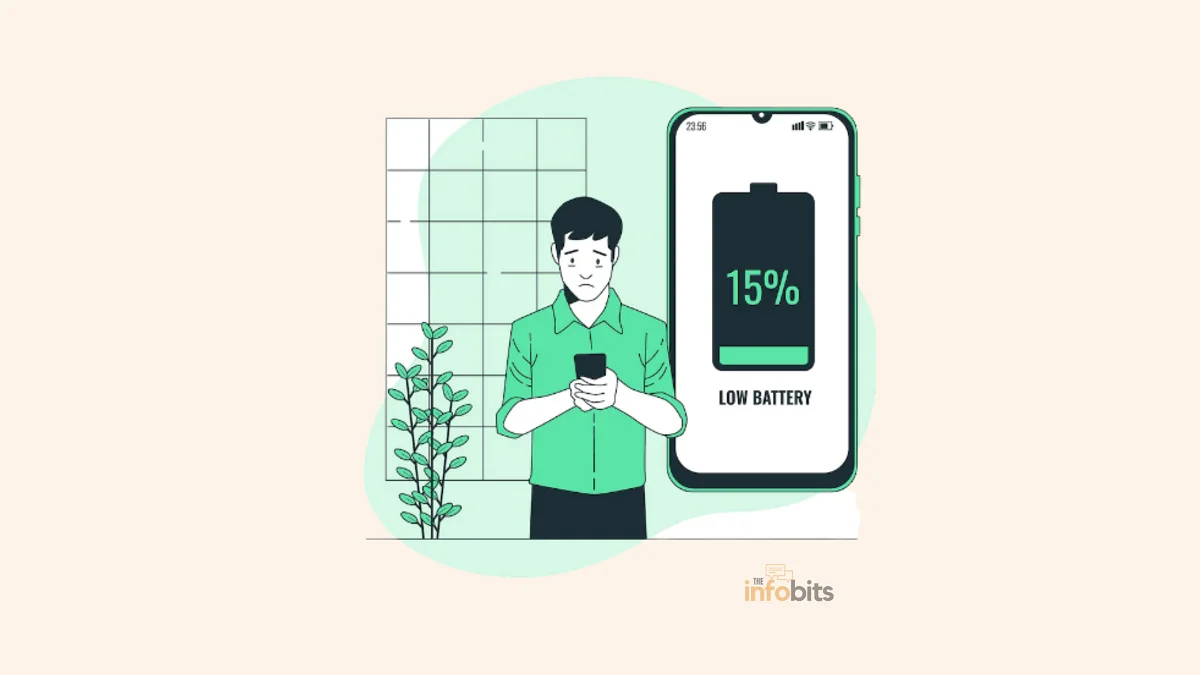
Quick answer: Yes, slightly. But it’s a minor efficiency gain, not a speed boost. Low Power Mode doesn’t change how many watts your charger sends to your phone. What it does is cut background power drain (app refresh, syncing, display brightness, network searching), so more of the incoming charge goes straight into the battery instead of being consumed by the phone while it charges. In real-world tests, that typically saves 5 to 15 minutes on a full charge; noticeable if you’re actively using the phone while it charges, negligible if it’s just sitting idle.
If you’ve ever flipped on Low Power Mode (or Battery Saver on Android) while plugged in and hoping for a dramatic speed-up, you’re not alone. It’s one of the most persistent charging myths out there.
The truth is somewhere between the two extremes. It isn’t a magic solution, but it can still make a noticeable difference.
Here’s what’s actually happening, what does and doesn’t move the needle on charging speed, and which habits will genuinely get you off the charger faster.
What Low Power Mode Actually Does
Low Power Mode (iOS) and Battery Saver (Android) are software features designed to stretch your remaining battery life by reducing how much power your phone consumes for everything that isn’t essential.
When enabled, they typically:
- Dim screen brightness and shorten the auto-lock timer
- Pause or slow background app refresh and automatic downloads
- Reduce or pause mail fetch and cloud sync (iCloud, Google backup, etc.)
- Limit visual effects and animations
- Throttle some background network activity, including 5G handoffs on certain devices
On iPhone, this kicks in automatically at 20% battery (with a prompt at 10% if you skipped it earlier), and switches off automatically the moment you plug into power, though you can keep it on manually while charging if you choose.
Android’s Battery Saver works similarly, with the exact trigger point and toggle location varying by manufacturer (generally under Settings > Battery).
Neither feature touches your phone’s charging hardware, the charging protocol it negotiates with the wall adapter, or the maximum wattage the battery can accept. That part is fixed by your phone’s hardware and the charger you’re using.
So Does It Actually Charge Faster?
Here’s the mechanism, in plain terms. While your phone is charging, it’s simultaneously drawing a small amount of that incoming power to run background processes such as checking for new email, refreshing apps, keeping the screen on, and searching for a strong cell signal.
Low Power Mode reduces that draw, so a larger share of the power coming from the charger goes directly into the battery instead of being split between “charging” and “staying on.”
The effect is real, but modest:
- If your phone is sitting idle while charging (screen off, not actively used), the difference is small to negligible, because there isn’t much background activity competing with the charge in the first place.
- If you’re actively using the phone while it charges by scrolling, browsing, or navigating, Low Power Mode has more to work with, since it’s cutting into genuine active power draw rather than idle background tasks. This is where most of that 5–15 minute savings comes from.
- With a high-wattage fast charger (20W+), the phone is already pulling in power quickly enough that Low Power Mode’s savings become proportionally smaller and harder to notice.
- With an older or lower-wattage charger, the relative improvement is more noticeable, since every bit of freed-up power matters more when the input is already limited.
Low Power Mode won’t turn a slow charger into a fast one, but it also never slows charging down. If you’re in a hurry and can’t swap to a better charger or cable, turning it on costs you nothing and gives you a small, genuine edge.
What About Turning the Phone Off or Using Airplane Mode?
These two tend to outperform Low Power Mode for a simple reason: they cut power draw more aggressively.
- Powered off: With the phone completely off, there’s no display, no background processing, and no radio activity at all; just the battery accepting a charge. This is generally the fastest charging state, though the difference from airplane mode is often small.
- Airplane Mode: Disabling cellular, Wi-Fi, and Bluetooth stops your phone from continuously searching for and maintaining wireless signals, which is one of the more power-hungry background tasks. Independent tests (including a well-known long-running CNET comparison, later reproduced by other outlets) have found airplane mode typically reduces somewhere between 4 and 15 minutes off a full charge. Similar territory to Low Power Mode, your phone has fewer wireless tasks competing for power while it charges.
Realistically, none of these three options- Low Power Mode, airplane mode, or powering off – will transform your charging speed. They’re minor optimizations, not replacements for the factors that actually matter.
What Actually Determines Charging Speed
If you want a meaningfully faster charge, these are the levers that make a real difference:
1. Charger Wattage
This is the single biggest factor. A basic 5W charger will always be dramatically slower than a modern 20W, 30W, or higher-wattage USB-C Power Delivery charger.
Check your phone’s supported fast-charging wattage (usually listed in the manufacturer’s specs) and match your charger to it. Going higher than what your phone supports won’t hurt, but it won’t help either, since the phone caps the input itself.
Related: Is Fast Charging Bad for Battery? Realities
2. Cable Quality and Length
A damaged, low-quality, or non-certified cable can bottleneck charging speed regardless of how powerful your charger is.
Shorter, thicker cables generally handle higher wattages more reliably than long, thin ones. For fast charging on newer phones, a USB-C to USB-C cable rated for the appropriate wattage (and, for very high-wattage charging, an “E-marked” cable) matters more than people expect.
3. Power Source
Plugging directly into a wall outlet is faster than charging through a laptop’s USB port, which typically delivers far less power and wasn’t designed for fast charging in the first place.
Related: How to Charge Your Phone Without a Wall Charger?
4. Temperature
Phones intentionally slow down charging when they get too warm, as a safety and battery-health protection.
Charging in direct sunlight, under a pillow, or inside a thick case that traps heat will measurably slow things down. Removing the case and charging somewhere cool and ventilated genuinely helps.
5. Using the Phone While Charging
Actively using the phone while it charges, especially demanding tasks like gaming, video streaming, or navigation, does slow charging, because the phone is drawing power for the active task at the same time it’s trying to charge the battery.
This is a real and measurable effect, distinct from any exaggerated safety claims. Modern phones and chargers include multiple layers of protection (overcurrent, overheat, and short-circuit protection) that make a device “exploding” from normal use while charging extremely rare.
The actual risk factor in battery fire incidents is almost always a damaged battery, a counterfeit or uncertified charger, or physical damage to the device. Not simply using your phone while it’s plugged in.
6. Battery Age and Health
An older battery with degraded health won’t accept a charge as efficiently as a new one, regardless of what mode you’re in or how good your charger is. This is a hardware limitation that software settings can’t fix.
Related: How to Tell If Your Phone Battery Is Bad: 9 Warning Signs
Common Mistakes to Avoid
- Buying an unnecessarily high-wattage charger expecting a bigger boost. Your phone caps how much power it will accept. Anything beyond that ceiling doesn’t charge it faster.
- Assuming Low Power Mode is bad for your phone. It isn’t. It’s a software-only feature with essentially no hardware impact, and it doesn’t damage the battery or the phone in any way.
- Charging under a pillow, blanket, or thick case. Trapped heat is one of the most common, and most avoidable, causes of slow charging.
- Using a cheap, uncertified cable or charger for fast charging. This is a far bigger bottleneck than any software toggle, and in worse cases, a genuinely unsafe one.
- Expecting airplane mode or Low Power Mode to replace a proper charger. Both help marginally; neither compensates for outdated or underpowered charging hardware.
Myth vs. Fact
Myth: Low Power Mode makes your phone charge dramatically faster. Fact: It provides a small, real improvement, typically 5 to 15 minutes off a full charge, by reducing background power draw, not by increasing charger output.
Myth: Low Power Mode slows down charging. Fact: This is backwards. Low Power Mode never slows charging; at worst, it has no measurable effect, and at best, it modestly speeds things up.
Myth: Using your phone while it charges will make it explode. Fact: Modern devices have multiple built-in safety protections. Using the phone while charging can slow the charge and generate more heat, but genuine battery fire incidents are almost always tied to a damaged battery or a faulty/uncertified charger, not routine use.
Myth: A more powerful charger always charges your phone faster, no matter what. Fact: Your phone’s hardware sets a hard ceiling on how much power it will accept. Once you’ve matched or exceeded your phone’s supported fast-charging wattage, a higher-wattage charger provides no additional benefit.
Related: Why Do Phones Explode? The Real Science, Warning Signs & How to Stay Safe
Final Thoughts: Does Low Power Mode Really Charge Faster?
So, does Low Power Mode charge your phone faster? Yes, but only slightly.
It does not increase your charger’s wattage. It also does not change your phone’s maximum charging speed. Instead, it reduces the power your phone uses while it’s plugged in. Less power goes to background apps, syncing, screen activity, and network tasks. More of the incoming power can then go toward the battery.
The difference is usually small. You might save a few minutes. In some situations, the improvement can reach around 5 to 15 minutes over a full charge. It is more noticeable when you’re actively using your phone while it charges. If the phone is already sitting idle with the screen off, the difference may be barely noticeable.
If you need a much faster charge, focus on the things that matter more. Use a quality charger that matches your phone’s supported charging speed. Use a reliable cable. Plug directly into a wall outlet. Keep the phone cool. And avoid heavy gaming or streaming while charging.
Low Power Mode is still worth using. It costs nothing and won’t harm your phone. Just don’t expect it to perform miracles.
Think of it as a small charging boost, not a fast-charging feature. When you’re in a hurry, every little bit helps. But your charger, cable, temperature, and phone’s charging hardware will always have a much bigger impact.
Frequently Asked Questions
Does Low Power Mode charge your iPhone faster?
Yes, modestly. It reduces background power draw from things like mail fetch, background app refresh, and visual effects, which lets more of the incoming charge go directly to the battery. Typically saving a few minutes to around 15 minutes on a full charge, especially if you’re using the phone while it charges.
Does Battery Saver mode on Android make charging faster?
Yes, in the same way and for the same reason as iPhone’s Low Power Mode. It reduces the phone’s own power consumption during charging, freeing up more of the incoming power for the battery itself.
Does Low Power Mode ever slow down charging?
No. There’s no mechanism by which reducing background power draw would slow charging. At worst, the effect is negligible; it’s never negative.
Is it bad to leave Low Power Mode on while charging?
No, it’s completely safe. It’s a software setting with no impact on your phone’s hardware or long-term battery health, and many people leave it on permanently without any issue.
Does airplane mode charge your phone faster than Low Power Mode?
They’re in a similar range, and for a similar reason. Both reduce background power draw. Airplane mode has historically shown roughly 4 to 15 minutes of savings on a full charge in independent testing, which is comparable to what Low Power Mode typically saves.
Does turning my phone off make it charge the fastest?
It’s generally the fastest of the three low-draw options (off, airplane mode, Low Power Mode), since there’s no display, background processing, or radio activity competing with the charge. Though the difference compared to airplane mode is often small in practice.
What’s the biggest factor in how fast my phone charges?
Charger wattage, by far. A modern USB-C Power Delivery charger rated for your phone’s supported fast-charging speed will make a far bigger difference than any software setting.
Does charging through a laptop’s USB port work as well as a wall charger?
No. Laptop USB ports typically supply significantly less power than a dedicated wall charger, and most weren’t designed to support fast charging at all. Expect noticeably slower charging through a computer.
Can using my phone while it’s charging damage it?
Not under normal circumstances with a genuine charger and an undamaged phone. It will generate more heat and can slow the charging process, but it won’t cause damage on its own. The real risk factors are counterfeit chargers, damaged cables, or a compromised battery.
Does a higher-wattage charger always charge my phone faster?
Only up to the maximum wattage your phone is designed to accept. Beyond that ceiling, a more powerful charger provides no additional speed. Your phone’s internal charging controller caps the input regardless of what the charger can technically supply.
Why does my phone charge slower when it’s hot?
Phones deliberately throttle charging speed when internal temperatures rise, as a protective measure for both safety and long-term battery health. Removing a thick case, avoiding direct sunlight, and charging in a cool, ventilated spot can noticeably help.
Does Low Power Mode affect long-term battery health?
No. It’s a temporary, reversible software setting that only affects power consumption while it’s active. It has no lasting effect on battery capacity or degradation either way.
Should I use a fast charger even if I keep Low Power Mode off?
Yes. Charger wattage matters far more than any software toggle. A quality fast charger rated for your phone’s supported speed will consistently outperform relying on Low Power Mode or airplane mode alone.
We hope you found this post informative, and do like and follow us on Facebook and Twitter for regular updates.
We also ask that you bookmark this page for future reference. Sign up for our free newsletter as well to receive fresh information immediately in your inbox and keep technically up to date.
Disclosure: We will get an affiliate commission on some, but not all, of the items or services we recommend if you follow our links to a retailer’s website and make a purchase.