

What Internet Speed Do You Need for PS5? (2026 Guide)
Quick answer: Sony’s official minimum for the PS5 and PlayStation Portal is just 5 Mbps download and upload, but that’s only enough to get online, not enough for a good experience. For smooth online multiplayer, aim for at least 25 Mbps download / 5 Mbps upload, and for downloading games, updates, and streaming in 4K without slowdowns, 50–100 Mbps download is the sweet spot most people should target.
If you’re picking up a PS5 Pro, lean toward the higher end of that range, since its game files and patches tend to run larger.
Here’s the thing most speed guides get wrong: for online multiplayer specifically, latency (ping) and connection stability matter more than raw speed.
A stable 25 Mbps connection with low ping will beat a shaky 500 Mbps connection with spikes every time. Let’s break down exactly what you need for each way you actually use your PS5.
Sony’s Official Minimum vs. What You Actually Need
| Use Case | Sony’s Minimum | Realistic Recommendation |
|---|---|---|
| Basic PSN connectivity / online features | 5 Mbps down / 5 Mbps up | – |
| Online multiplayer (smooth, no lag) | Not officially specified | 25+ Mbps down / 5+ Mbps up |
| Game downloads & updates | Not officially specified | 50–100 Mbps down |
| 4K streaming apps (Netflix, YouTube, etc.) | Not officially specified | 25–30+ Mbps down |
| PS Plus Premium cloud streaming | Not officially specified | 15 Mbps minimum / 25–30+ Mbps ideal |
| Remote Play / PlayStation Portal | 5 Mbps (Sony minimum) | 15+ Mbps down / 5+ Mbps up, low ping |
| PS5 Pro (any use case above) | Same as PS5 | Lean toward the higher end; larger file sizes |
Sony’s published 5 Mbps figure is a genuine technical floor, not a recommendation. It’s the point below which PSN features simply stop working reliably, not the point at which they work well. Almost every practical use of the console benefits from significantly more.
What Speed Do You Need for Online Multiplayer?
This is where people most often over-focus on download speed and under-focus on what actually matters.
- Minimum for playable online gaming: 15 Mbps download / 5 Mbps upload
- Ideal for smooth, competitive-ready play: 25–30+ Mbps download / 10+ Mbps upload
- Ping (latency): Under 50ms is good; under 30ms is ideal for fast-paced competitive games; anything consistently over 100ms will feel noticeably laggy regardless of your download speed
Online games send and receive small, constant packets of data rather than one big continuous stream, so you don’t need huge bandwidth to play smoothly. You need a stable, low-latency connection.
This is exactly why a wired Ethernet connection so consistently outperforms Wi-Fi for competitive games, even when the Wi-Fi speed test number looks higher: Ethernet has lower and far more consistent latency.
What Speed Do You Need for Downloads and Updates?
This is where higher speeds genuinely pay off, since PS5 games are large and getting larger.
- Many current PS5 titles exceed 50–100GB, and day-one patches can add several more gigabytes on top.
- At 50 Mbps, a 100GB download takes roughly 4-5 hours; at 100 Mbps, that drops to roughly 2-2.5 hours.
- If you frequently pre-load new releases or download multiple large titles back to back, 100+ Mbps meaningfully reduces wait time
Downloading in Rest Mode (with your PS5 set to keep the network connection active during rest) is a simple way to have large downloads finish overnight regardless of your speed tier.
What Speed Do You Need for PS Plus Premium Cloud Streaming?
If you’re using PS Plus Premium’s cloud streaming library (the service that replaced the standalone PlayStation Now in 2022), you’re streaming a live video feed of gameplay in real time rather than downloading anything, which makes this closer to video streaming in its requirements.
But with the added demand of needing your inputs to register with minimal delay.
- Minimum: 15 Mbps download, ping under 70ms
- Ideal: 25–30+ Mbps download, ping under 50ms
Cloud streaming is the single most latency-sensitive thing you can do on a PS5, since every button press has to travel to a remote server and the resulting video has to travel back before you see it happen on screen.
A connection that’s plenty fast for downloads can still feel sluggish here if ping is high.
What Speed Do You Need for Remote Play and PlayStation Portal?
Remote Play (streaming your PS5 to a phone, PC, or the dedicated PlayStation Portal handheld) has similar demands to cloud streaming, since it’s also a live video-and-input stream; just sourced from your own console instead of a remote server.
- Minimum: 5 Mbps down/up (Sony’s official figure for Portal)
- Realistic for good quality: 15+ Mbps down/up, with a stable connection on both ends. Remember that both your PS5’s home connection and the device you’re streaming to need adequate bandwidth
Related: How Long Do Routers Last and When Should You Replace Them?
Does the PS5 Pro Need Faster Internet?
Not fundamentally different requirements, but practically speaking, yes. Lean toward the higher end of every range above.
The PS5 Pro doesn’t change what Sony requires technically. But its enhanced game patches, higher-resolution texture packs, and 4K-focused experience tend to mean larger downloads and a stronger incentive to avoid buffering during cloud streaming or 4K content.
If you’re specifically running a PS5 Pro, treat 100 Mbps+ as the practical baseline rather than the upper end of “nice to have.”
Wired vs. Wireless: Why It Matters More Than Your Speed Tier
A wired Ethernet connection to your PS5 will outperform Wi-Fi for online gaming even if your Wi-Fi speed test shows a higher number, because Ethernet delivers:
- Lower and more consistent latency (ping)
- No interference from walls, other devices, or neighboring Wi-Fi networks
- No signal drop-off based on distance from your router
If your PS5 sits near your router, running a single Ethernet cable is genuinely the single highest-impact change you can make for online multiplayer, more impactful than upgrading your internet plan in most cases.
Understanding NAT Type on PS5
NAT (Network Address Translation) type is a separate factor from raw speed that frequently causes multiplayer problems even on fast connections. Your PS5 will report one of three types:
- Type 1 (Open): Directly connected to the internet with no restrictions; rare in home setups
- Type 2 (Moderate): Behind a router with the necessary ports open; this is the normal, safe target for most home networks
- Type 3 (Strict): Your router or ISP is blocking incoming connections, which can cause matchmaking failures, inability to join friends’ parties, and broken voice chat
To check your NAT type: Settings → Network → View Connection Status.
To fix a Strict NAT type: Enable UPnP on your router (usually in its advanced/NAT settings), or manually forward the ports PlayStation Network requires. Type 2 (Moderate) is perfectly fine for the vast majority of players. You don’t need to chase Type 1 if Type 2 is already working.
Related: Is 5G Home Internet Good for Gaming in 2026? The Full Truth
How Much Data Does PS5 Actually Use?
- Online gameplay: Roughly 40–300MB per hour depending on the game, with most competitive multiplayer titles on the lower end of that range
- Downloads: By far the biggest data consumer. A single large title can use 50–100GB+ just to install, before counting future updates
- 4K streaming apps: Roughly 7GB per hour for 4K content, considerably less for HD
If you’re on a capped or metered internet plan, game downloads ( not multiplayer sessions) are what will actually threaten your data cap.
How to Improve Your PS5 Internet Speed
If your connection is underperforming, work through these roughly in order of impact:
- Switch to a wired Ethernet connection if your PS5 is currently on Wi-Fi. This is usually the single biggest improvement available.
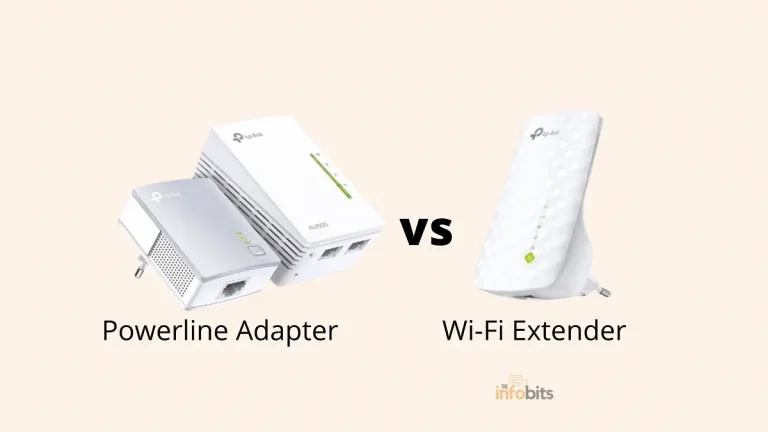
- Move the console closer to your router, or add a Wi-Fi extender/mesh node if wiring isn’t possible.
- Check for Strict NAT type and enable UPnP or forward the necessary ports if needed.
- Close bandwidth-heavy activity on other devices during downloads or competitive sessions; streaming, large uploads, and other downloads on the same network compete directly for your bandwidth.
- Restart your router periodically to clear temporary performance issues and prevent overheating from prolonged uptime.
- Switch to a public DNS provider like Google DNS (8.8.8.8 / 8.8.4.4) or Cloudflare (1.1.1.1) if your ISP’s default DNS is slow. This won’t increase your raw speed but can reduce delays when connecting to services.
- Password-protect your Wi-Fi if you haven’t already, so unauthorized devices aren’t quietly consuming your bandwidth.
- Check for PSN or game server outages before assuming the problem is your connection. A quick search or check of the PlayStation Network status page rules this out fast.
- Upgrade your plan or router as a last step, once you’ve confirmed the issue isn’t wiring, NAT type, network congestion, or an outage on Sony’s end.
If your current router is a few years old or struggles to maintain a stable connection during downloads and online play, at least a dedicated gaming router with strong QoS controls like the ASUS ROG Rapture Wi-Fi 6 gaming router (available on Amazon)can meaningfully reduce lag spikes even without changing your internet plan.
Related: How to Fix PS5 Wi-Fi Issues When PS5 Won’t Connect to the Internet?
Closing Thoughts
The right internet speed for your PS5 depends on how you play. If you mainly enjoy online multiplayer games, you don’t need an ultra-fast internet plan. A stable connection with low latency is usually more important than high download speeds. On the other hand, if you regularly download large games, updates, or stream in 4K, a faster broadband plan can save you a lot of waiting.
It’s also worth remembering that internet speed is only one part of the equation. Your home network matters just as much. Using an Ethernet cable, placing your router in a better location, or upgrading older networking equipment can often improve your gaming experience more than paying for a faster plan.
If you’re experiencing lag, disconnects, or slow downloads, don’t assume your internet provider is always the problem. Check your Wi-Fi signal, test your connection, and make sure nothing else on your network is using too much bandwidth. Small changes can make a noticeable difference.
We hope this guide helped you understand what internet speed your PS5 really needs. Whether you’re jumping into competitive online matches, downloading the latest AAA release, or streaming your favorite games, choosing the right connection will help you get the best experience.
Frequently Asked Questions
What is the minimum internet speed for PS5?
Sony’s official minimum is 5 Mbps download and upload for basic PlayStation Network features, though this is a technical floor rather than a speed that provides a good experience.
Is 25 Mbps fast enough for PS5?
Yes, for online multiplayer specifically, 25 Mbps download is generally enough for smooth play, though downloading large games will take considerably longer than at higher speeds.
How much internet speed do I need for PS5 downloads?
For reasonably fast downloads of modern PS5 games, which often exceed 50–100GB, aim for 50–100 Mbps download speed to keep wait times manageable.
Does the PS5 Pro need faster internet than the standard PS5?
Sony’s technical requirements are the same, but the PS5 Pro’s larger game patches and 4K-focused experience make higher speeds (100 Mbps+) more practically beneficial.
Is ping more important than download speed for online gaming?
Yes, for online multiplayer specifically, low and stable ping matters more than high download speed, since games rely on small, frequent data packets rather than large continuous transfers.
What internet speed do I need for PS Plus Premium cloud streaming?
A minimum of 15 Mbps with ping under 70ms is needed, but 25–30+ Mbps with ping under 50ms provides a noticeably smoother cloud streaming experience.
Should I use Wi-Fi or Ethernet for my PS5?
Ethernet is strongly recommended for online gaming, since it provides more consistent, lower latency than Wi-Fi even when a Wi-Fi speed test shows a comparable or higher number.
What is NAT type and why does it matter for PS5?
NAT type determines how easily your PS5 can connect to other players and game servers; a Strict NAT type can cause matchmaking failures and broken party chat even on a fast connection.
How do I fix a Strict NAT type on PS5?
Enable UPnP on your router, or manually forward the ports required by PlayStation Network; Moderate (Type 2) is a perfectly acceptable target for most home networks.
How much data does PS5 use per hour of online gaming?
Online multiplayer typically uses roughly 40–300MB per hour depending on the game, which is far less data-intensive than downloading games or updates.
Is satellite internet good enough for PS5?
It can work for downloads and casual play, but satellite internet’s inherently higher latency makes it a poor fit for competitive online multiplayer or cloud streaming specifically.
Can too many devices on my network slow down my PS5?
Yes, other devices streaming, downloading, or uploading heavily on the same network compete for the same bandwidth, which can noticeably affect PS5 performance during peak usage.
What internet speed do I need for PlayStation Portal?
Sony’s minimum is 5 Mbps download/upload, but 15+ Mbps with a stable, low-latency connection on both your PS5’s network and the Portal’s Wi-Fi provides much better streaming quality.
Does a VPN slow down PS5 internet speed?
Generally yes, since routing traffic through a VPN server adds distance and processing overhead, though a quality gaming VPN can sometimes help if your ISP is specifically throttling gaming traffic.
Will restarting my router improve my PS5 connection?
It can help with temporary performance issues and is a quick, free troubleshooting step worth trying before assuming you need a plan upgrade or new equipment.
If you found this guide useful, feel free to share it with other PlayStation gamers. You can also follow The Infobits on Facebook and X (formerly Twitter) for more gaming tips, internet guides, and easy-to-follow tech tutorials.
Furthermore, we request that you bookmark this page for future reference.
If you found this useful, do sign up for our free newsletter for more gaming and internet guides, and bookmark this page for future reference.
Disclosure: If you follow our links to a retailer’s website and make a purchase, we will get an affiliate commission on some, but not all, of the items or services we promote. This will cause no price change for you.




)